Can AI Predict What Medicine You'll Need Next?
Picture this: your doctor’s software quietly flags that your health records resemble those of people who later developed a serious illness. Nothing hurts yet and you feel fine, but the pattern is there.
That scenario is moving out of science fiction and into research papers. So can AI predict diseases, and by extension the medicines you might need? The short answer is that it can estimate risk, sometimes years ahead. It cannot tell you your future, and it certainly can’t prescribe. The details matter, so here’s what the evidence shows.
What "prediction" actually means here
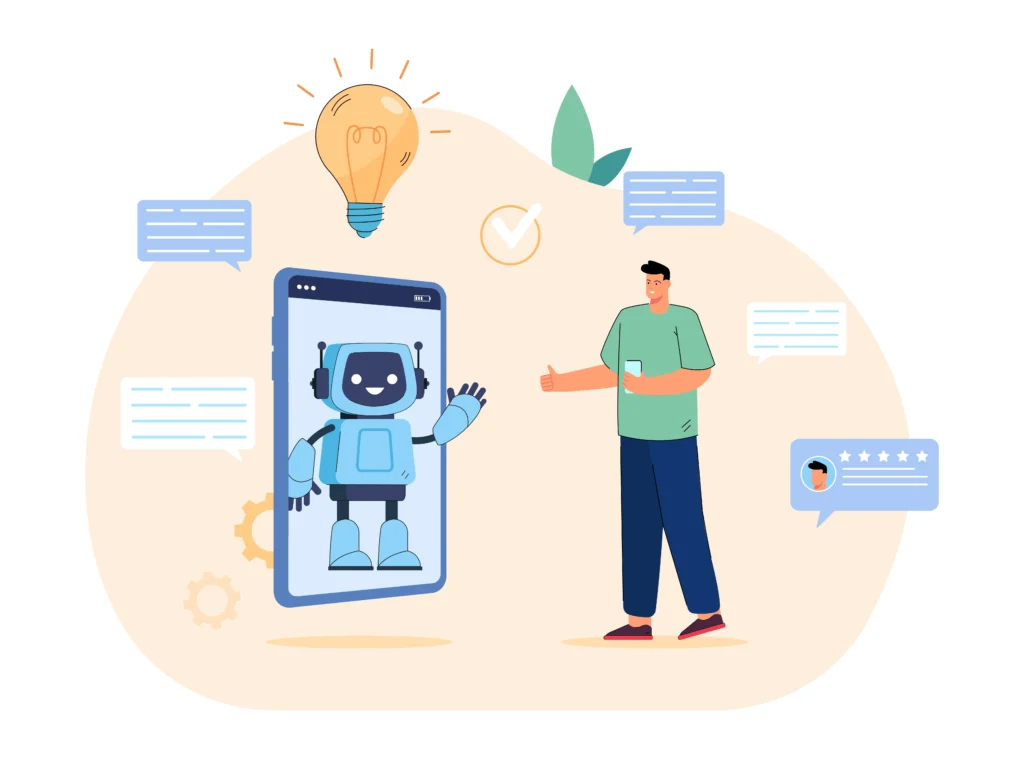
When researchers say AI “predicts” a disease, they mean it calculates a probability from patterns in large datasets. Think of it as a very sophisticated weather forecast. A 70% chance of rain doesn’t mean it will rain on you. It means that in similar conditions, it usually does.
What recent research has shown
One model, over 1,000 diseases. A study in Nature described an AI system that estimates risk for more than 1,000 diseases by reading entire medical histories rather than a single condition. When researchers simulated lives from age 60 onward, the model matched about 17 percent of future disease events in the first year. That’s better than the baseline, but it’s far from certainty. The authors were clear that it needs forward-looking tests, stronger regulation and training data matching local patients before routine care
Pancreatic cancer, up to three years early. Mayo Clinic researchers built a model using routine health records and lab data. It was trained on 6,066 people who developed pancreatic cancer and 33,396 who didn’t. This matters because pancreatic cancer is often found late. The work was presented at a 2026 surgical congress, so treat it as promising but early. One analysis also noted an important caution: flagging risk three years out doesn’t prove patients will live longer if doctors act on it.
Breast cancer risk, four to six years ahead. A Norwegian study published in a JAMA Network journal found that AI could identify women at higher risk four to six years before diagnosis, even pointing to which breast was at risk.
A single blood sample. Edinburgh researchers analysed blood from more than 45,000 people and found that protein patterns could predict risk of conditions like Alzheimer’s, heart disease and type 2 diabetes up to 10 years before diagnosis. Experts say it isn’t ready for immediate use, but it’s a promising step

The part most articles skip: medicines people already have
Predicting a new disease is exciting, but one of the biggest real-world problems is much simpler: people don’t take the medicines they’ve already been prescribed. Even small things, like taking medicines correctly, including timing with food, affect how well a treatment works.
A WHO report found that among patients with chronic diseases in developed countries, adherence averages only about 50%, and it is even lower in developing countries. For blood pressure medication specifically, only 27% of patients in Gambia, 43% in China and 51% in the United States took them as prescribed. Since high blood pressure is closely tied to cardiovascular risk, it’s worth reading our guide on heart health awareness. (The WHO report dates from 2003, but later reviews of the evidence still point to rates around 50%, with wide variation between studies.)
WHO also noted that poor adherence is the primary reason medicines don’t deliver their full benefits. This is where predictive tools have a practical edge. A system that spots patients likely to miss refills or stop treatment can trigger a reminder or a pharmacist’s call before the problem grows. No breakthrough is needed, just better timing
What AI cannot do
Being honest about limits is what separates useful information from hype:
- It can’t diagnose you. A risk score is a prompt for a conversation, not a result.
- It can be wrong in both directions. False alarms cause anxiety and unnecessary tests, and missed cases give false reassurance.
- It reflects the data it learned from. A model trained on one population may perform worse on another, which matters in a country as diverse as India.
- It can’t weigh your whole life. Symptoms, family history, circumstances and preferences are things a clinician considers that a dataset may not capture.
- Your data needs protection. Health records are highly sensitive, so ask how any app or service stores and shares yours.
What you can do today
- Don’t self-prescribe based on an app or chatbot. Medicines should be started, changed or stopped by a qualified doctor.
- Use AI insights as conversation starters. If a tool flags something, take it to your doctor rather than acting alone.
- Take prescribed medicines consistently. As the WHO numbers show, this is where many people lose the benefit of treatment.
- Keep up routine check-ups and screening. Prevention still depends on them.
- Read privacy policies before connecting health data to any app.
What it means for pharma and pharmacy
For the industry, the near-term opportunity is practical: helping patients stay on treatment, planning supply more accurately and speeding up research. To see the wider picture, read our overview of how AI is reshaping the pharmaceutical industry. The companies that benefit most will pair technology with strong quality systems and regulatory compliance. AI can inform decisions, but accountability still rests with people.
Can AI predict diseases before symptoms appear?
In research settings, yes, for some conditions and with limited accuracy. Studies have shown risk estimates years before diagnosis, but most are not yet used in routine care.
Can AI tell me what medicine I'll need in the future?
No. It can estimate risk of certain conditions, but deciding on treatment is a clinical decision that requires a doctor’s assessment.
Is AI accurate in healthcare?
It depends on the task, the data and the population. Some tools perform well in specific uses, while others need more testing. Accuracy in one study doesn’t guarantee the same result for every patient.
Is my health data safe if AI uses it?
Yes. Beginners can explore this business model. However, they should understand their market, complete applicable documentation and choose a reliable pharma company.
Frequently asked questions
AI is getting better at spotting patterns that humans can’t see, and some of the early research is genuinely impressive. But the honest summary is this: it can raise a flag about risk, and it can help people stay on their treatment. Deciding what you need still takes a trained professional who knows you.
Disclaimer: This article is for general information only and is not medical advice. Consult a qualified healthcare professional before starting, stopping or changing any medication.
Looking for the Best Pharmaceutical Company in India?
Partner with Medhexa Pharma Pvt. Ltd. for premium-quality pharmaceutical products, dependable supply, and professional business support.