
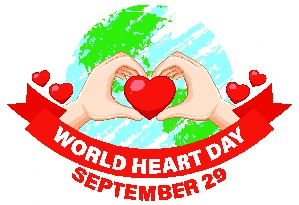
Your Heart Doesn't Take a Day Off. So Why Do We Ignore It?
World Heart Day 2026 | Don’t Miss a Beat ❤️
Your heart keeps working every second of every day. You do not have to think about it, remind it or tell it when to beat. It simply keeps going.
But when was the last time you actually stopped to think about your heart health?
That is the question behind World Heart Day 2026.
Observed on 29 September, World Heart Day is a global opportunity to raise awareness about cardiovascular health and encourage people to take their heart health seriously. The World Heart Federation’s 2026 campaign continues the message “Don’t Miss a Beat”, focusing on recognising cardiovascular disease signs and symptoms, protecting heart health and encouraging action.
Cardiovascular disease remains the leading cause of death globally. According to the World Health Organization, cardiovascular diseases caused an estimated 19.8 million deaths in 2022, representing around 32% of all deaths worldwide.
The message is simple:
Pay attention before your heart has to demand your attention.
World Heart Day 2026: What Does “Don't Miss a Beat” Mean?
The World Heart Day 2026 theme continues the World Heart Federation’s “Don’t Miss a Beat” campaign.
The campaign focuses on recognising the signs and symptoms of cardiovascular disease, protecting heart health and encouraging action.
For many people, heart health becomes a priority only after a health scare. However, cardiovascular health is something worth paying attention to long before an emergency occurs.
“Don’t Miss a Beat” is therefore more than a campaign message.
It is a reminder to understand your risk factors, notice unusual symptoms and make heart health part of your everyday life.

Your Heart Can Be in Trouble Without Making Much Noise
One of the challenges with cardiovascular disease is that some conditions can develop without obvious symptoms.
The World Health Organization notes that underlying blood vessel disease may sometimes have no symptoms, and a heart attack or stroke can become the first noticeable sign.
That is why awareness matters.
Feeling well today does not necessarily mean that every cardiovascular risk factor is under control.
Blood pressure, blood glucose, cholesterol, tobacco use, physical activity, diet and other factors can all play a role in cardiovascular health.
Understanding these factors can help people have more informed conversations with qualified healthcare professionals.
5 Heart Health Warning Signs You Shouldn't Brush Aside
Knowing common warning signs does not mean trying to diagnose yourself.
It means understanding when a symptom may require medical attention.
1. Chest discomfort
Chest pain or discomfort, particularly in the centre of the chest, can be a warning sign of a heart attack.
It may feel like pressure, squeezing, fullness or discomfort.
Not every episode of chest discomfort is related to the heart, but sudden or concerning symptoms should not simply be dismissed.
2. Shortness of breath
Unexplained difficulty breathing or shortness of breath can occur with cardiovascular problems.
If breathing difficulty is sudden, severe or occurs together with other concerning symptoms, seek appropriate medical attention.
3. Unusual weakness, dizziness or fainting
Sudden dizziness, fainting or unusual weakness can have many possible causes.
However, when these symptoms occur suddenly or alongside chest discomfort, breathing difficulty or other concerning symptoms, they should not be ignored.
4. Discomfort in other parts of the body
Heart attack symptoms are not always limited to the chest.
The World Health Organization lists discomfort that may involve the arms, shoulder, elbows, jaw or back.
This is one reason why thinking of a heart attack only as severe chest pain can cause people to overlook other possible warning signs.
5. Sudden symptoms associated with stroke
Heart and vascular health is also closely connected with stroke awareness.
Sudden weakness or numbness, especially on one side of the body, confusion, difficulty speaking, difficulty seeing, loss of balance or a sudden severe headache can be warning signs of stroke.
These symptoms require immediate medical attention.
If someone experiences symptoms that could indicate a heart attack or stroke, seek emergency medical care immediately.
Heart Health Isn't Just About Heart Attacks
When people hear “heart health”, they often think only about heart attacks.
Cardiovascular disease is much broader.
It includes diseases affecting the heart and blood vessels, including coronary heart disease, cerebrovascular disease and other cardiovascular conditions.
This means heart health should not be treated as a one-day topic.It is part of long-term health.
- Your blood pressure matters.
- Your blood glucose matters.
- Your cholesterol levels matter.
- Your activity levels matter.
- Your diet matters.
- Your tobacco exposure matters.
Looking after these areas can contribute to better cardiovascular health.
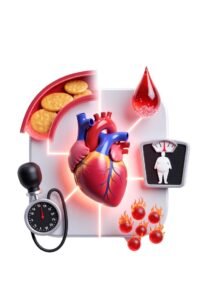
The Everyday Risk Factors Your Heart Notices
Some cardiovascular risk factors are connected with everyday habits, while others are linked to existing health conditions.
According to the World Health Organization, important behavioural risk factors include unhealthy diet, physical inactivity, tobacco use and harmful use of alcohol.
These factors can contribute to raised blood pressure, raised blood glucose, abnormal blood lipids and overweight or obesity.
1. High blood pressure
High blood pressure may not cause noticeable symptoms.
That is why knowing your blood pressure can be important, particularly if you have risk factors or have been advised by a healthcare professional to monitor it.
2. High blood glucose and diabetes
Blood glucose is another important part of cardiovascular health.
People living with diabetes should follow their healthcare professional’s advice for managing their condition and associated cardiovascular risks.
3.High cholesterol
High cholesterol can also contribute to cardiovascular risk.
Because it may not cause obvious symptoms, appropriate testing and professional guidance can be important for people who need their cholesterol monitored.
4. Tobacco use
Smoking and tobacco use are major cardiovascular risk factors.
Avoiding tobacco can support better cardiovascular health. People who want to quit can speak with a qualified healthcare professional about appropriate support.
5.Physical inactivity
A busy routine can make regular movement easy to postpone.
However, staying physically active is an important part of maintaining cardiovascular health.
The World Heart Federation’s 2026 campaign also promotes its “Keep the Beat” initiative, encouraging people to include regular movement in their routines.
5.Unhealthy diet
Heart health is not about following a perfect diet for one day.
It is about developing sustainable habits over time.
A balanced diet and appropriate attention to excess salt, sugar and unhealthy fats can form part of a heart-conscious lifestyle.
What Can You Do for Your Heart Today?
You do not have to change everything overnight.
Start with practical steps that you can maintain.
1. Move more
Look for ways to include regular movement in your day.
Walking, cycling, sports, dancing and other physical activities can all help you stay active.
2. Eat with your heart in mind
Focus on balanced meals and a varied diet.
Pay attention to excessive salt, sugar and unhealthy fats, while choosing nutritious foods more often.
3.Know your numbers
Depending on your age, health history and medical advice, measurements such as blood pressure, blood glucose and cholesterol can provide useful information about cardiovascular risk.
4. Avoid tobacco
If you use tobacco, consider discussing evidence-based quitting support with a qualified healthcare professional.
5.Take symptoms seriously
Do not rely on online searches to diagnose yourself.
If you experience sudden, severe or unusual symptoms, seek appropriate medical attention.
When Should You Seek Urgent Medical Help?
Some symptoms should never be treated casually.
Sudden chest discomfort, severe difficulty breathing, fainting or symptoms that may indicate a heart attack or stroke can require urgent medical attention.
Stroke warning signs can include sudden weakness or numbness on one side of the body, difficulty speaking, sudden vision problems, loss of balance or a severe unexplained headache.
If such symptoms occur, seek emergency medical care immediately.
Do not wait for symptoms to become unbearable.
This article is intended for general health awareness and does not replace professional medical advice, diagnosis or treatment.
Why Early Heart Health Awareness Matters
Heart health should not become important only after a health scare.
Knowing your risk factors can help you have more informed conversations with healthcare professionals.
Understanding possible warning signs can help you respond appropriately when something unusual happens.
Developing healthier habits can also support cardiovascular health over time.
The World Health Organization notes that many cardiovascular diseases can be prevented by addressing behavioural and environmental risk factors and by identifying and managing conditions such as high blood pressure, diabetes and abnormal blood lipids.
That makes awareness more than a once-a-year message.
It is part of taking care of your health.
When is World Heart Day 2026?
World Heart Day 2026 is observed on 29 September 2026. The World Heart Federation marks World Heart Day annually on 29 September.
What is the World Heart Day 2026 theme?
The World Heart Day 2026 campaign continues the “Don’t Miss a Beat” message, focusing on recognising cardiovascular disease signs and symptoms, protecting heart health and encouraging action.
What does “Don't Miss a Beat” mean?
“Don’t Miss a Beat” encourages people to recognise signs and symptoms of cardiovascular disease, understand their risk factors and take steps to protect their heart health.
What are common warning signs of a heart attack?
Possible symptoms can include chest pain or discomfort, shortness of breath, nausea or vomiting, light-headedness, cold sweating and discomfort involving areas such as the arms, shoulder, jaw or back. Symptoms can vary between individuals.
Can cardiovascular disease have no symptoms?
Yes. Some underlying cardiovascular conditions may have no noticeable symptoms. In some cases, a heart attack or stroke may be the first noticeable sign of underlying blood vessel disease.
How can I support better heart health?
Regular physical activity, a balanced diet, avoiding tobacco, managing cardiovascular risk factors and following appropriate medical advice can support better heart health.
Why is cardiovascular health important?
Cardiovascular diseases are the leading cause of death globally. Understanding risk factors, recognising concerning symptoms and seeking appropriate medical care are important parts of cardiovascular health awareness.
What is Cardries Biotic by Medhexa Pharma?
Cardries Biotic is a cardiovascular and metabolic healthcare division of Medhexa Pharma Pvt. Ltd. Its portfolio includes pharmaceutical products associated with cardiovascular and metabolic healthcare.
Frequently Asked Questions (FAQs)
Looking for the Best Pharmaceutical Company in North India?
Partner with Medhexa Pharma Pvt. Ltd. for premium-quality pharmaceutical products, dependable supply, and professional business support.