
Pharmacists and Wellness: The Connection Between Medicines and Healthy Living
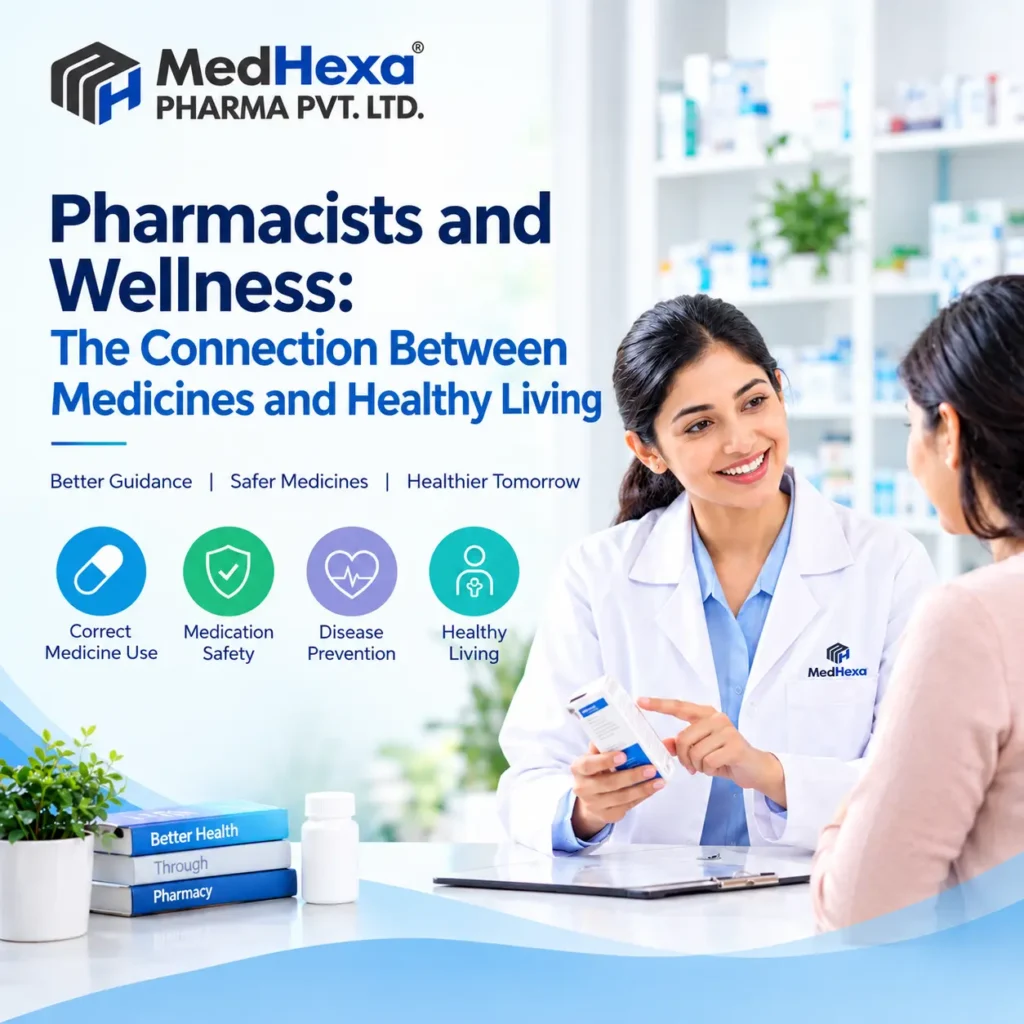
Pharmacists and Wellness: The Connection Between Medicines and Healthy Living When people think about healthcare, doctors, hospitals and medicines often come to mind first. But there is another important part of the healthcare system that people interact with regularly: pharmacists. From helping people understand how to use medicines to providing information about safe medicine practices, pharmacists have an important place in everyday healthcare. Their role also extends beyond dispensing medicines. The World Health Organization has highlighted how pharmacy practice has evolved toward broader pharmaceutical care, including support for chronic disease management, acute care and public health activities. This connection between pharmacists, medicines and wellness is especially relevant on World Pharmacists Day, observed every year on 25 September. In 2026, the International Pharmaceutical Federation (FIP) has chosen “Empowering pharmacists for healthier futures” as the theme for World Pharmacists Day. The theme highlights the contribution pharmacists can make to prevention, access to care, medicine use and stronger health systems. So, how exactly do pharmacists connect medicines with healthy living? Let’s understand. What Is World Pharmacists Day? World Pharmacists Day is observed on 25 September to recognize the contribution of pharmacists and the wider pharmacy profession to healthcare. The day was established by the International Pharmaceutical Federation (FIP), and the annual campaign focuses attention on the role pharmacists play in improving health and supporting healthcare systems. It is also an opportunity to understand that pharmacy is much more than the simple process of buying or dispensing medicines. Pharmacists work at an important point between medicines, healthcare professionals and patients. Their knowledge can help people better understand their medicines and support safer medicine use. The Connection Between Pharmacists and Healthy Living Healthy living is not only about eating nutritious food or exercising regularly. It also involves taking care of health conditions, following appropriate treatment plans and understanding how medicines should be used. This is where pharmacists can contribute. Pharmacists can help patients understand information related to their medicines, including how medicines should be taken and what precautions may be relevant. WHO’s medication-safety work emphasizes that patients and healthcare professionals—including pharmacists—have roles in promoting safer medication practices. In simple terms: Better understanding of medicines → safer medicine use → more informed healthcare decisions. Of course, pharmacists do not replace doctors or other healthcare professionals. Instead, they form an important part of the wider healthcare team. 1. Pharmacists Help People Understand Their Medicines A medicine can only be used appropriately when people understand what they have been prescribed or advised to take. Questions may arise about: When should the medicine be taken? Should it be taken with food? How should a liquid medicine be measured? How should the medicine be stored? What should be done if a dose is missed? Are there important precautions to know about? Depending on the medicine and the situation, pharmacists can provide information and direct patients to their doctor or another healthcare professional when further assessment is needed. WHO identifies pharmacists as healthcare professionals who can contribute to safer medication practices, including appropriate dispensing, patient education and monitoring. 2. Pharmacists Support Medication Safety Taking a medicine does not simply mean swallowing a tablet or measuring a syrup. Medication safety involves several steps, including prescribing, dispensing, administration and monitoring. WHO’s Medication Without Harm initiative emphasizes the shared responsibility of patients and healthcare professionals in making medicine use safer. Pharmacists can contribute by helping identify potential medication-related issues and by communicating relevant information to patients and other healthcare professionals. This is particularly important when people take multiple medicines or move between different healthcare settings. 3. Pharmacists Can Support Health Awareness A pharmacist can also be a convenient point of contact for general health information. Depending on local regulations and scope of practice, pharmacy services may include activities such as: health education screening services vaccination services advice related to minor health concerns medicine-use guidance support for long-term conditions WHO has documented the expanding role of pharmacists in areas such as vaccination, chronic disease management and public health. This makes pharmacists an important part of the broader healthcare network. 4. Pharmacists and Chronic Health Conditions Many people live with health conditions that require long-term treatment. For these patients, medicines may become part of their everyday routine. Pharmacists can play a role in supporting appropriate medicine use and helping patients understand their treatment. WHO/Europe notes that pharmacists in many settings increasingly provide pharmaceutical care services that help patients manage longer-term chronic illnesses. For example, a person managing a long-term condition may have questions about: maintaining a regular medicine schedule understanding instructions managing multiple medicines possible medicine-related concerns when to contact their doctor The pharmacist can be one part of the healthcare team supporting that process. 5. Healthy Living Also Means Using Medicines Responsibly Wellness does not mean taking more medicines. In fact, responsible medicine use is an important part of healthcare. People should avoid changing prescribed doses, stopping treatment or combining medicines without appropriate medical advice. If someone experiences an unexpected reaction or has concerns about a medicine, they should seek advice from a qualified healthcare professional. WHO’s medication-safety guidance highlights the importance of safer practices across the medication-use process and encourages patients and healthcare professionals to actively participate in medication safety. A simple approach is: Know. Check. Ask. Know what medicine you are using.Check the instructions and relevant information.Ask a healthcare professional when you are unsure. Pharmacists, Medicines and Patient Awareness One of the most valuable connections between pharmacy and wellness is health literacy. People who understand their medicines are better positioned to follow appropriate instructions and recognize when they need professional advice. Pharmacists can help explain medicine-related information in a way that is easier for patients to understand. This becomes particularly useful when medicine instructions, dosage forms or treatment schedules are unfamiliar. For example, tablets, capsules, syrups, suspensions and other dosage forms may have different instructions for use. The correct method depends on the specific product. Therefore, patients should not assume that two medicines with similar names or ingredients can automatically be used