

Pharmacists and Wellness: The Connection Between Medicines and Healthy Living
Pharmacists and Wellness are closely connected through the safe and responsible use of medicines. They help patients understand their medicines, follow dosage instructions and make informed decisions about their health. In addition, their role goes beyond dispensing medicines to supporting medication safety, health awareness and responsible medicine use.
Every year, World Pharmacists Day highlights the contribution of pharmacists to healthcare and communities around the world. In 2026, the International Pharmaceutical Federation (FIP) has announced the theme “Empowering pharmacists for healthier futures.” The theme focuses on the role pharmacists can play in prevention, access to care, medicine use and stronger health systems.
What Is World Pharmacists Day?
World Pharmacists Day is observed every year on 25 September. The day recognizes the contribution pharmacists make to healthcare and raises awareness about their role in supporting patients and communities.
Pharmacists work in different healthcare settings, including community pharmacies, hospitals, research organizations and other healthcare services. Their responsibilities can include dispensing medicines, providing medicine-related information and supporting patients with appropriate medicine use.
In addition, pharmacists can contribute to health education and prevention activities. Their role continues to develop as healthcare needs change.
Pharmacists and Wellness: The Connection With Healthy Living
Healthy living involves more than eating well and staying physically active. Responsible medicine use is also an important part of personal health.
Pharmacists and Wellness come together when pharmacists help people understand how to use medicines correctly. They can explain dosage instructions, answer medicine-related questions and provide information about safe use.
For example, a patient may have questions about when to take a medicine or whether it should be taken with food. In such situations, clear guidance can help the person understand the instructions better.
Furthermore, pharmacists can direct patients to a doctor or another healthcare professional when a health concern requires further assessment.
1. Pharmacists Help People Understand Their Medicines
People can use a medicine appropriately when they understand what doctors or healthcare professionals prescribe or advise them to take.
Questions may arise about:
- When should the medicine be taken?
- Should it be taken with food?
- How should a liquid medicine be measured?
- How should the medicine be stored?
- What should be done if a dose is missed?
- Are there important precautions to know about?
People can use a medicine appropriately when they understand what doctors or healthcare professionals prescribe or advise them to take.
In addition,WHO identifies pharmacists as healthcare professionals who can contribute to safer medication practices, including appropriate dispensing, patient education and monitoring.
2.How Pharmacists Support Medication Safety
Medication safety is an important part of healthcare. Medicines can provide significant benefits when people use them correctly, but errors can occur at different stages of the medication-use process.
The WHO Medication Without Harm initiative highlights the need for safer medication practices across prescribing, dispensing, administration and monitoring. Patients, caregivers and healthcare professionals all have a role in improving medication safety.
Pharmacists can support this process by checking prescriptions, providing medicine information and helping patients understand how to use their medicines.
As a result, better communication between patients and healthcare professionals can support safer medicine use.
For more information, visit WHO’s Medication Without Harm initiative.
3. Pharmacists and Health Awareness
Pharmacists can also contribute to health awareness in their communities.
People often have questions about common health concerns, medicines and general wellness. Pharmacists can provide appropriate medicine-related information and, when necessary, recommend that patients seek further medical advice.
For example, pharmacists may help people understand the importance of following treatment instructions. They can also encourage patients to discuss persistent or concerning symptoms with a qualified healthcare professional.
Moreover, pharmacists can support health education and prevention activities in some healthcare settings. WHO has highlighted areas such as health education, screening and vaccination as examples of services pharmacists may provide in different countries.
4. Pharmacists and Chronic Health Conditions
Many people live with health conditions that require long-term treatment.
For these patients, medicines may become part of their everyday routine.
Pharmacists can play a role in supporting appropriate medicine use and helping patients understand their treatment. WHO/Europe notes that pharmacists in many settings increasingly provide pharmaceutical care services that help patients manage longer-term chronic illnesses.
For example, a person managing a long-term condition may have questions about:
- maintaining a regular medicine schedule
- understanding instructions
- managing multiple medicines
- possible medicine-related concerns
- when to contact their doctor
The pharmacist can be one part of the healthcare team supporting that process.
5. Healthy Living Also Means Using Medicines Responsibly
Healthy living is often associated with nutrition, exercise, sleep and stress management. However, responsible medicine use also deserves attention.
Taking medicines without proper guidance can create unnecessary risks. Therefore, people should follow the instructions provided by their doctor, pharmacist or other qualified healthcare professional.
Patients should also avoid changing the dose or stopping a prescribed medicine without appropriate medical advice.
For example, if a person experiences an unexpected problem while taking a medicine, discussing the issue with a healthcare professional can help determine the appropriate next step.
WHO also emphasizes the importance of patients being informed about their medicines and understanding their treatment
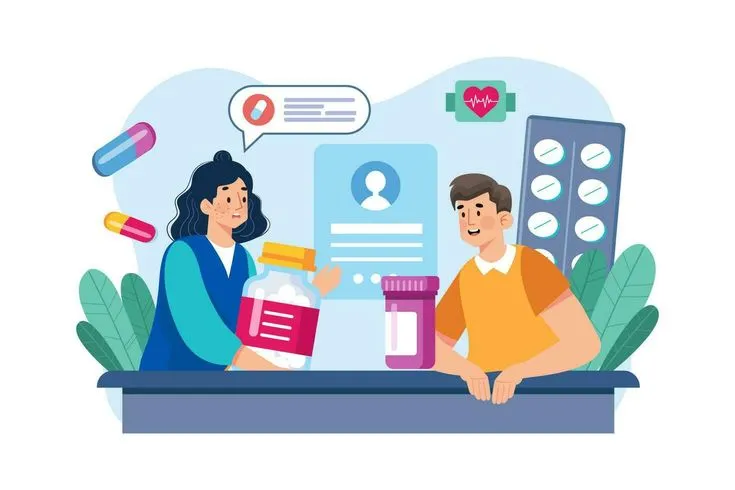
Pharmacists, Medicines and Patient Awareness
One of the most valuable connections between pharmacy and wellness is health literacy.
People who understand their medicines are better positioned to follow appropriate instructions and recognize when they need professional advice.
Pharmacists can help explain medicine-related information in a way that is easier for patients to understand.
This becomes particularly useful when medicine instructions, dosage forms or treatment schedules are unfamiliar.
For example, tablets, capsules, syrups, suspensions and other dosage forms may have different instructions for use. The correct method depends on the specific product.
Therefore, patients should not assume that two medicines with similar names or ingredients can automatically be used in exactly the same way.
Why Medicine Quality and Responsible Supply Matter
Medicine quality is another important part of healthcare. People depend on medicines that meet appropriate standards for quality, safety and effectiveness.
WHO explains that medicines should be appropriately manufactured, stored, distributed and dispensed. Health professionals and patients also need reliable information to support responsible medicine use.
Therefore, responsible pharmaceutical practices and proper medicine handling are important parts of the wider healthcare system.
Pharmacists also play an important role at the point where patients receive medicines. Their knowledge can help support appropriate dispensing and medicine-related guidance.

Pharmacists and Wellness in Modern Healthcare
Healthcare continues to change with new technologies, changing patient needs and a greater focus on prevention.
As a result, the connection between Pharmacists and Wellness is becoming broader. Pharmacists may contribute not only to medicine supply but also to patient education, health awareness and other healthcare services, depending on local regulations and professional scope.
WHO Europe has reported that pharmacists in several countries have taken on broader responsibilities, including vaccination, health screening and support for people managing chronic conditions.
Furthermore, pharmacists can work alongside doctors, nurses and other healthcare professionals. This teamwork can help patients receive more connected healthcare support.

The Future of Pharmacists and Wellness
The healthcare environment is changing quickly. Digital tools, new treatment options, changing population needs and greater attention to prevention are influencing healthcare delivery.
FIP’s 2026 World Pharmacists Day theme, “Empowering pharmacists for healthier futures,” reflects the growing discussion around pharmacists’ contribution to healthcare systems.
In the future, pharmacists may continue to contribute to medicine education, prevention, patient support and other healthcare services within their professional scope.
However, the exact responsibilities of pharmacists can differ between countries and healthcare systems. Local laws, regulations and professional standards determine which services pharmacists can provide.
Why World Pharmacists Day Matters
World Pharmacists Day provides an opportunity to recognize the work of pharmacists and increase public awareness about their contribution to healthcare.
The day also encourages conversations about medicine safety, health education and access to appropriate healthcare support.
Overall, pharmacists are an important part of the healthcare system. Their work connects medicines with patient education, responsible medicine use and health awareness.
For pharmaceutical companies and healthcare organizations, the day also provides an opportunity to recognize the importance of quality, responsibility and patient-focused healthcare.
Final Thoughts
Pharmacists and Wellness share an important connection because medicines are only one part of effective healthcare. People also need clear information, responsible medicine use and access to appropriate professional guidance.
Pharmacists can help patients understand medicines, follow treatment instructions and ask the right questions about their healthcare.
In summary, World Pharmacists Day is a reminder of the important role pharmacists play in supporting healthier communities. Their contribution continues to evolve as healthcare needs change.
At MedHexa Pharma, we recognize the importance of quality medicines and responsible healthcare practices as part of our commitment to a healthier tomorrow.
What is the role of a pharmacist in healthcare?
Pharmacists are healthcare professionals who work with medicines and provide medicine-related services and information. Their responsibilities can include dispensing medicines, supporting medication safety, educating patients and participating in broader healthcare services, depending on their setting and local regulations.
How do pharmacists contribute to healthy living?
Pharmacists can contribute through medicine-related guidance, medication-safety support, health education and certain preventive or public-health services. Their role varies according to the healthcare system and scope of practice.
Why is medication safety important?
Medication safety aims to reduce preventable harm associated with the use of medicines. WHO emphasizes that patients and healthcare professionals share responsibility for safer medication practices.
When is World Pharmacists Day celebrated?
World Pharmacists Day is celebrated on 25 September every year. It is led internationally by the International Pharmaceutical Federation (FIP).
What is the World Pharmacists Day 2026 theme?
The official World Pharmacists Day 2026 theme is “Empowering pharmacists for healthier futures.”
Can pharmacists replace doctors?
No. Pharmacists and doctors have different professional roles and responsibilities. Pharmacists can provide medicine-related expertise and support, while diagnosis and treatment decisions should be handled by appropriately qualified healthcare professionals according to the patient’s circumstances.