

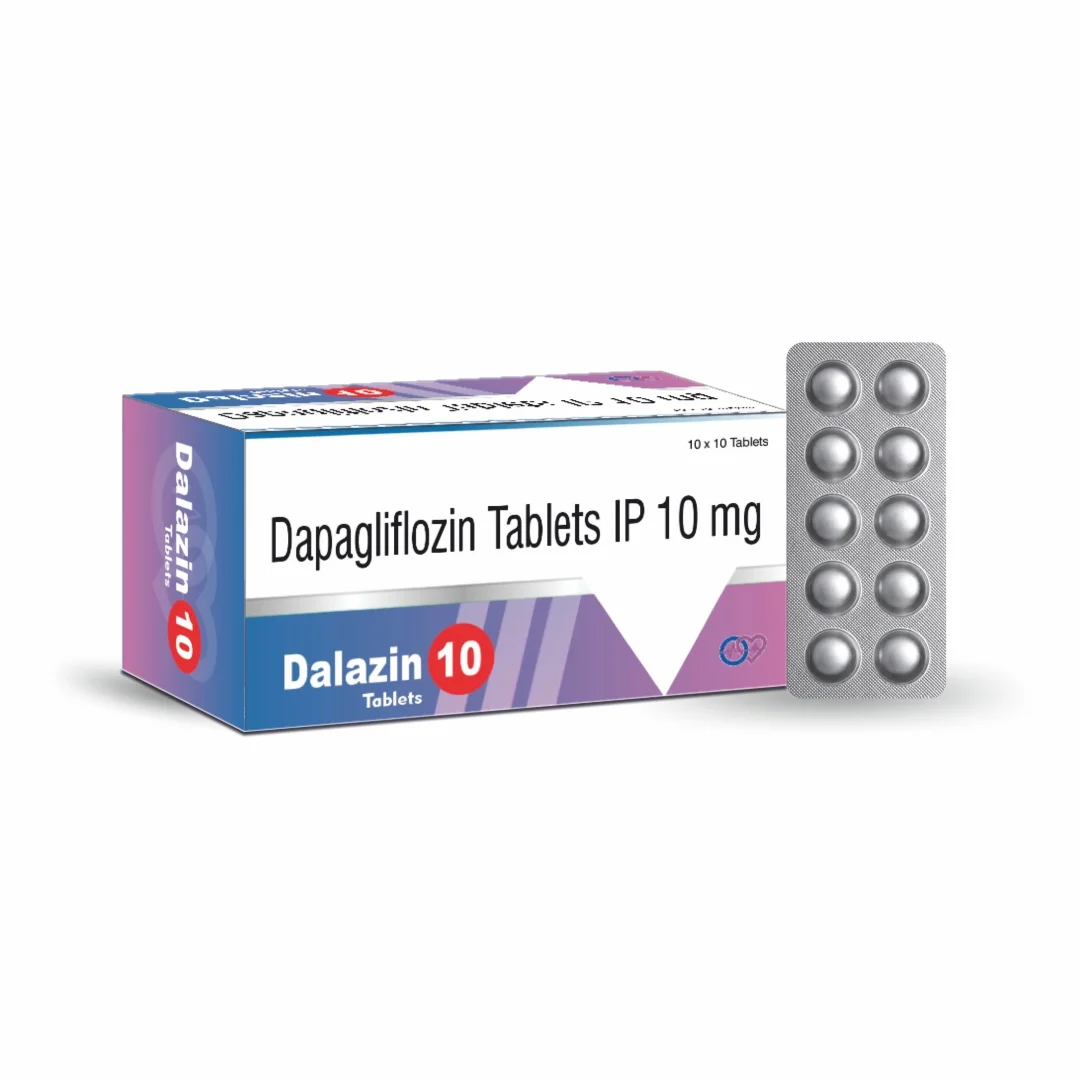
Description
DALAZIN-10 contains Dapagliflozin 10 mg in tablet form. Dapagliflozin belongs to the sodium-glucose cotransporter 2 (SGLT2) inhibitor class. It works mainly through the kidneys by reducing glucose and sodium reabsorption, which increases their excretion in urine. As a result, dapagliflozin can help improve blood glucose control and, in appropriate patients, provide cardiovascular and kidney-related benefits when prescribed by a healthcare professional.
For related diabetic and cardiovascular formulations, explore the Medhexa Pharma product range for pharmaceutical products and business enquiries.
Therapeutic Segment
Anti-Diabetic Therapy | Type 2 Diabetes Management | SGLT2 Inhibitors | Cardiovascular Care | Kidney Health
Uses of DALAZIN-10
Healthcare professionals may prescribe DALAZIN-10 as part of an individualized treatment plan for:
- Type 2 diabetes mellitus
- Improving glycaemic control alongside appropriate diet and exercise
- Reducing the risk of hospitalization for heart failure in certain adults with type 2 diabetes and cardiovascular risk
- Heart failure management in appropriate patients
- Chronic kidney disease in selected adults at risk of disease progression
The exact indication depends on the patient’s diagnosis, kidney function, cardiovascular status and applicable prescribing information. Dapagliflozin is not recommended for improving glycaemic control in patients with type 1 diabetes because of the risk of diabetic ketoacidosis.
Key Benefits of DALAZIN-10
- SGLT2 Inhibitor: Provides dapagliflozin 10 mg for appropriate SGLT2 inhibitor therapy.
- Blood Glucose Support: Helps lower blood glucose by increasing urinary glucose excretion.
- Cardiovascular Support: In appropriate patients, dapagliflozin can reduce certain heart-failure-related risks.
- Kidney Protection: Current prescribing information includes use in selected adults with chronic kidney disease at risk of progression.
- Sodium and Glucose Excretion: Promotes urinary excretion of glucose and sodium through its renal mechanism.
- Convenient Oral Form: Supplied as an oral tablet for once-daily administration when prescribed.
How DALAZIN-10 Works
Dapagliflozin selectively inhibits the SGLT2 protein in the proximal renal tubules.
Normally, SGLT2 reabsorbs a substantial proportion of filtered glucose and sodium back into the bloodstream. By inhibiting this transporter, dapagliflozin reduces glucose and sodium reabsorption. Consequently, the kidneys excrete more glucose and sodium through urine.
This mechanism helps lower blood glucose and also produces a mild diuretic effect. The resulting changes in sodium and fluid handling contribute to some of dapagliflozin’s cardiovascular and kidney-related effects.
Common Side Effects of DALAZIN-10
Some people may experience side effects during dapagliflozin treatment. Possible effects include:
- Increased urination
- Increased thirst
- Genital fungal infections
- Urinary tract infections
- Dizziness
- Dehydration or reduced fluid volume
- Changes in blood lipid levels
Because dapagliflozin increases glucose in the urine, genital and urinary infections can occur more readily in some patients.
Important Safety Information
Use DALAZIN-10 only according to the advice of a qualified healthcare professional.
Dehydration and Low Blood Pressure
Dapagliflozin increases urinary glucose and sodium excretion, which can increase urine output and reduce fluid volume. Patients who are elderly, taking diuretics or already dehydrated may have a greater risk of low blood pressure or volume depletion.
Kidney Function
Kidney function should be assessed before and during treatment when clinically appropriate. The usefulness of dapagliflozin for glycaemic control decreases as kidney function declines, and current U.S. prescribing information does not recommend it for improving glycaemic control when eGFR is below 45 mL/min/1.73 m².
Diabetic Ketoacidosis
Dapagliflozin can cause ketoacidosis, including cases where blood glucose levels are not extremely high. Seek urgent medical attention for symptoms such as nausea, vomiting, abdominal pain, unusual tiredness or difficulty breathing.
The risk can increase during situations such as prolonged fasting, acute illness, major surgery or significant reduction in insulin. Healthcare professionals may advise temporarily stopping treatment before certain procedures.
Genital and Urinary Infections
Because dapagliflozin increases urinary glucose excretion, genital fungal infections and urinary tract infections can occur. Contact a healthcare professional if symptoms such as burning during urination, pelvic discomfort, unusual genital discharge or severe genital irritation develop.
Serious Genital Infection
Rarely, SGLT2 inhibitors have been associated with necrotizing fasciitis of the perineum (Fournier’s gangrene). Seek immediate medical attention for severe pain, tenderness, redness or swelling in the genital or perineal area accompanied by fever or feeling unwell.
Low Blood Sugar
Dapagliflozin alone generally has a low risk of hypoglycaemia. However, the risk can increase when it is combined with insulin or insulin secretagogues such as sulfonylureas. Healthcare professionals may adjust accompanying medicines when appropriate.
Pregnancy and Breastfeeding
Dapagliflozin is generally avoided during the later stages of pregnancy because of potential effects on the developing fetal kidneys. Discuss pregnancy, planned pregnancy or breastfeeding with a healthcare professional before using the medicine.
For detailed prescribing information, refer to the DailyMed prescribing information for Dapagliflozin.
Dosage & Administration
Take DALAZIN-10 exactly as prescribed by your healthcare professional.
For adults with type 2 diabetes, current prescribing information commonly uses 5 mg once daily as an initial dose for glycaemic control, with an increase to 10 mg once daily when additional glycaemic control is required. The 10 mg dose is also used for several heart-failure and chronic-kidney-disease indications. The appropriate regimen depends on the patient’s condition and kidney function.
DALAZIN-10 may be taken with or without food. Take the tablet at approximately the same time each day unless your healthcare professional provides different instructions.
Do not increase the dose, stop treatment or take additional tablets without medical advice.
Storage
- Store DALAZIN-10 in a cool, dry place.
- Protect the tablets from excessive heat and moisture.
- Keep the tablets in their original BLISTER packaging until use.
- Protect from direct sunlight.
- Keep out of the sight and reach of children.
- Do not use the product after the expiry date printed on the pack.



Reviews
There are no reviews yet.