

Medical Myths vs Facts: 14 Common Medicine Myths Debunked
Every family has a few beliefs passed down over the years: “antibiotics cure a cold,” “cracking knuckles causes arthritis,” “a flu shot gives you the flu.” Some are harmless. Others are medical myths that can lead to real harm, like taking the wrong medicine, doubling a dose or skipping a vaccine.
In this guide we bust 14 of the most common ones: 10 medicine myths about tablets, syrups and antibiotics, and 4 broader health myths you have probably heard at home. The advice is for every age, from children to seniors.
In this guide
- Key takeaways and myth-vs-fact table
- Part 1: 10 medicine myths
- India tip: the red line on medicine strips
- Part 2: 4 medical myths beyond medicines
- Safety tips for children, adults and seniors
- When to see a doctor, and FAQs
Key Takeaways
- Antibiotics work on bacteria, not on viruses like colds and flu.
- More medicine does not mean faster relief. Stick to the prescribed or labelled dose.
- Always check expiry dates, ingredient lists and storage instructions.
- “Natural” and “generic” do not mean what many people think.
- Flu shots, knuckle cracking and sugar are all misunderstood.
- When in doubt, ask a doctor or pharmacist.
Medical Myths vs Facts at a Glance
| # | Myth | Fact |
|---|---|---|
| 1 | Antibiotics cure colds and flu | They only work on bacterial infections. |
| 2 | Stop the antibiotic when you feel better | Follow your doctor’s instructions on the course. |
| 3 | Double the dose for faster relief | It raises the risk of side effects and overdose. |
| 4 | Paracetamol is harmless in any amount | Too much can damage the liver. |
| 5 | Expired medicines are either poison or fine forever | Neither. Potency can fall, so don’t rely on them. |
| 6 | All painkillers are fine on an empty stomach | Some, like NSAIDs, can irritate the stomach. |
| 7 | Herbal means safe | Herbal products can cause side effects and interactions. |
| 8 | Share medicines that “worked for me” | The right medicine depends on the person. |
| 9 | The bathroom is a good place to store medicines | Heat and humidity can damage them. |
| 10 | Generic medicines are low quality | They contain the same active ingredient as their corresponding brand-name medicines when appropriately approved. |
| 11 | A flu shot gives you the flu | It cannot cause influenza, though mild soreness or fever can occur. |
| 12 | Cracking knuckles causes arthritis | Studies have found no significant link. |
| 13 | Sugar makes kids hyperactive | Studies have not found a consistent effect. |
| 14 | Being cold gives you a cold | Viruses cause colds, not cold weather alone. |
Part 1: Medicine Myths
Every family has a few beliefs passed down over the years: “antibiotics cure a cold,” “cracking knuckles causes arthritis,” “a flu shot gives you the flu.” Some are harmless. Others are medical myths that can lead to real harm, like taking the wrong medicine, doubling a dose or skipping a vaccine.
In this guide we bust 14 of the most common ones: 10 medicine myths about tablets, syrups and antibiotics, and 4 broader health myths you have probably heard at home. The advice is for every age, from children to seniors.
Myth 1: “Antibiotics will cure my cold or flu.”
The truth: Antibiotics fight bacteria, not the viruses that cause colds, flu, RSV and COVID-19, and most people with a viral respiratory infection recover within 7 to 10 days. Taking antibiotics when you don’t need them brings avoidable side effects and raises the risk of antimicrobial resistance (AMR). healthhealth
This myth is widespread. Surveys cited by WHO Europe found that 64% of respondents wrongly believed antibiotics could treat colds and influenza. The WHO lists AMR among the top 10 threats to global health. whoconsumer
What to do instead: Rest, drink fluids and see a doctor if symptoms are severe or last longer than expected.
Myth 2: “I feel better, so I can stop my antibiotic.”
The truth: Feeling better does not always mean the infection is fully cleared. The safest approach is to take the antibiotic for the full length of time your doctor prescribed, even after symptoms ease. Do not stop early or extend the course on your own. If you have side effects or feel unsure, call your doctor rather than deciding yourself. consumer
Also, do not save leftover antibiotics “just in case.”
Myth 3: “If one tablet helps, two will help faster.”
The truth: More medicine does not mean faster relief. It increases the chance of side effects and overdose. Never exceed the dose on the prescription or label, and never shorten the gap between doses.
Myth 4: “Paracetamol is so common that it must be completely harmless.”
The truth: Paracetamol (also called acetaminophen) is safe and effective when used correctly. Taking more than the maximum daily limit can seriously damage the liver. The risk is higher with alcohol use or existing liver disease.
The hidden danger: Many cold, flu and pain products already contain paracetamol. Taking two of them together can push you over the limit without you realising. Always read the ingredient list.
Myth 5: “Expired medicines turn poisonous overnight” (or the opposite: “they’re fine forever”).
The truth: Neither is accurate. The expiry date is the date until which the manufacturer guarantees full strength and safety.
- A long-running FDA programme found that many tested drugs stayed stable well beyond their expiry dates. PBS
- Loss of potency does not necessarily mean a medicine is harmful. stuartxchange
- But those tests used stockpiles stored under controlled conditions, not a warm kitchen or bathroom shelf. The FDA generally warns against using expired medicines because of possible bacterial growth, chemical changes and reduced effectiveness. verafiles
Our advice: Do not use expired medicines. This matters most for antibiotics, insulin, injections, eye drops, liquid medicines and emergency medicines, where a weaker dose can fail when you need it. Also discard any medicine that has changed colour, smell or texture, even before its expiry date. Dispose of old medicines properly instead of keeping them “for emergencies.”
Myth 6: “Painkillers are fine on an empty stomach.”
The truth: Some painkillers, particularly NSAIDs such as ibuprofen and diclofenac, can irritate the stomach lining and are often advised after food. Paracetamol works differently and is generally gentler on the stomach. Always check the label for “before” or “after” food.
Related reading: Why Do Some Medicines Need to Be Taken Before, With, or After Food?
Myth 7: “Herbal or natural means safe.”
The truth: “Natural” does not mean risk-free. Herbal products and supplements can cause side effects and can interact with prescription medicines, including blood thinners, diabetes medicines and blood pressure tablets. Tell your doctor about everything you take, including home remedies and supplements.
Myth 8: “It worked for my family member, so I can take it too.”
The truth: The right medicine and dose depend on age, weight, existing conditions, allergies and other medicines. Never share prescription medicines, even when symptoms look identical.
Myth 9: “The bathroom cabinet is a good place for medicines.”
The truth: Bathrooms are warm and humid, which can damage tablets, capsules and syrups. Store medicines in a cool, dry place away from direct sunlight, and out of reach of children. A few medicines, such as insulin and some liquids, need the refrigerator. Follow the storage instructions on the label.
Myth 10: “Generic medicines are lower quality.”
The truth: A generic medicine contains the same active ingredient, strength and dosage form as the branded version and must show that it works in the body in the same way. It usually costs less because it avoids the cost of marketing and original research. Quality depends on the manufacturer, so choose medicines from companies that follow WHO-GMP and GMP standards, and buy from licensed pharmacies.
India Tip: Look for the Red Line on Medicine Strips
Check the strip. If it has a red vertical line, it should not be taken without a doctor’s prescription. India’s health ministry launched the Red Line campaign to urge people not to use medicines marked with this line, including antibiotics, without a prescription. Antibiotics fall under Schedule H and H1 of the Drugs Rules, 1945, and are meant to be sold only on a registered doctor’s prescription.
Part 2: Medical Myths Beyond Medicines
Myth 11: “You can get the flu from the flu shot.”
The truth: Today’s flu vaccine is made from lab-produced proteins and contains no live virus, so it cannot give you the flu. Some people do get mild side effects such as soreness at the injection site, a low-grade fever or muscle aches, which can be mistaken for the flu itself. Ask your doctor which vaccine suits you, especially if you are a senior, pregnant, or have a long-term condition
Myth 12: “Cracking your knuckles causes arthritis.”
The truth: Broader studies have shown no significant increase in arthritis risk among habitual knuckle crackers. The popping sound comes from a gas bubble in the joint fluid. One caution: pain or swelling when you crack a joint can point to an underlying joint problem, so see a doctor.
Myth 13: “Sugar makes children hyperactive.”
The truth: Numerous studies have found no significant link between sugar and hyperactivity in children. In one experiment, parents who were told their child had been given sugar rated the child’s behaviour worse, even though the drink was actually sugar-free. That doesn’t make sugar harmless: too much can still lead to obesity and tooth decay.
Myth 14: “Going out in the cold or with wet hair gives you a cold.
The truth: Colds are caused by viruses, not temperature. Colds are more common in cold weather, but the weather itself isn’t to blame. You are actually more likely to catch an infection indoors, where germs pass easily between people. Wash your hands, ventilate rooms and stay home when you are unwell.
Medicine Safety Tips for Every Age
For children
- Doses depend on weight and age. Never give adult medicines, or “half a tablet,” without a doctor’s advice.
- Use the measuring cup or syringe that comes with the medicine, not a kitchen spoon.
- Do not give aspirin to children or teenagers with a viral illness unless a doctor specifically advises it.
- Store everything out of reach, including vitamins and sweet syrups.
For adults
- Read labels, check expiry dates and keep a written list of your medicines.
- Do not self-medicate for symptoms that last more than a few days.
- Complete prescribed courses and attend follow-ups.
For seniors
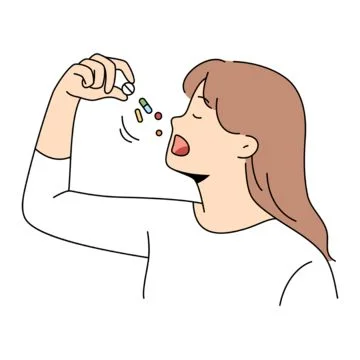
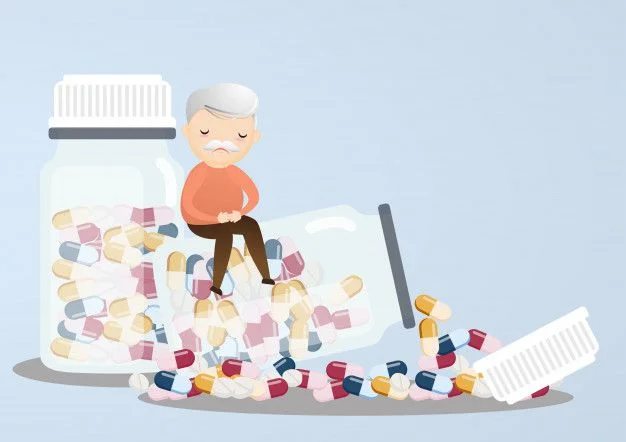
- Many seniors take several medicines, which raises the risk of interactions. Keep an updated list and show it at every doctor visit.
- Use a weekly pill organiser and reminders to avoid missed or double doses.
- Report dizziness or drowsiness, which can increase the risk of falls.
When to See a Doctor Instead of Treating Yourself
- A fever that is very high or lasts more than a few days
- Difficulty breathing, chest pain or severe weakness
- Repeated vomiting or signs of dehydration
- Rash, or swelling of the face, lips or throat after any medicine
- Any worrying symptom in a baby, a young child, a pregnant woman or an older adult
What is the difference between medical myths and medicine myths?
Medicine myths are false beliefs about drugs, such as antibiotics, painkillers and expiry dates. Medical myths is the broader term and also covers beliefs about vaccines, habits, food and common illnesses.
Can antibiotics cure a viral fever?
No. Antibiotics work only on bacterial infections. Viral fevers usually settle with rest and fluids, but see a doctor if the fever is high or persistent.
Is it safe to take expired medicine?
It is best not to. Some medicines lose strength after expiry, and you cannot tell which by looking. This matters most for antibiotics, injections, eye drops and emergency medicines.
How much paracetamol can I take in a day?
Follow the label or your doctor’s advice, as the limit depends on age, weight and health conditions. Many combination cold and flu products also contain paracetamol.
Are generic medicines as good as branded ones?
Yes, when made by a quality-certified manufacturer. They contain the same active ingredient and must meet the same standards of performance.
Where should I store medicines at home?
In a cool, dry place away from sunlight, heat and moisture, and out of children’s reach. Follow any refrigeration instructions on the label.
Can a flu shot give you the flu?
No. The flu vaccine cannot give you the flu, although mild soreness or a low fever can occur for a day or two.
Frequently asked questions
The best medicine is the right medicine, taken the right way, at the right time, and good health starts with good information. Sharing these facts takes a minute and could protect someone in your family.
Share this post with someone who still believes a medical myth, and follow Medhexa Pharma for more healthcare and pharma updates.
Related reading: Top 10 Most Demanded Medicines in India
Disclaimer: This article is for educational purposes only and is not a substitute for professional medical advice, diagnosis or treatment. Always consult a qualified doctor or pharmacist before starting, changing or stopping any medicine.
Looking for the Best Pharmaceutical Company in India?
Partner with Medhexa Pharma Pvt. Ltd. for premium-quality pharmaceutical products, dependable supply, and professional business support.