
AI & Digital Transformation in the Pharmaceutical Industry: Trends, Benefits & Future
Introduction
The pharmaceutical industry is undergoing a massive transformation, driven by rapid advancements in technology. Among the most impactful changes is the integration of Artificial Intelligence (AI) and digital systems into core operations.
From drug discovery to marketing and manufacturing, AI and digital transformation are enabling pharma companies to become faster, smarter, and more efficient. In 2026, embracing these technologies is no longer optional—it is essential for staying competitive in a rapidly evolving market.
To better understand the business side of the pharma industry, you can also read our detailed guide on Third Party Pharma Manufacturing in India.

What is AI & Digital Transformation in Pharma?
Artificial Intelligence (AI) refers to advanced computer systems that can analyze large datasets, identify patterns, and make intelligent decisions with minimal human intervention.
Digital Transformation is the process of replacing traditional, manual workflows with digital tools, automation, and data-driven systems.
Together, they help pharmaceutical companies:
- Improve operational efficiency
- Reduce costs and errors
- Accelerate innovation
- Enhance patient care
Key Applications of AI in the Pharmaceutical Industry
1. Drug Discovery and Development
AI significantly reduces the time required to discover new drugs. It can analyze millions of chemical compounds and predict which ones are most likely to be effective.
Impact:
- Faster drug development
- Lower research and development costs
- Increased success rates

2. Clinical Trials Optimization
Clinical trials are complex and expensive. AI helps improve:
- Patient recruitment
- Trial monitoring
- Data accuracy
Impact:
- Faster trials
- Better outcomes
- Reduced failure rates

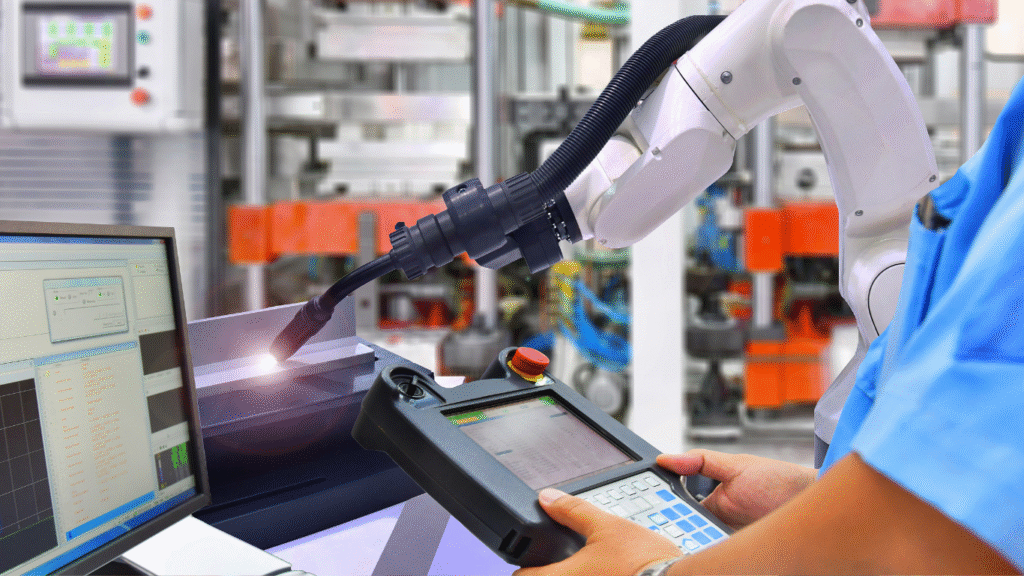
3. Smart Manufacturing (Pharma 4.0)
AI-powered systems and automation are transforming pharmaceutical manufacturing by:
- Monitoring production in real time
- Ensuring consistent quality
- Reducing human error
Impact:
- Higher efficiency
- Improved compliance
- Lower production costs
4. Supply Chain and Inventory Management
Digital tools help companies track inventory, forecast demand, and manage logistics more efficiently.
Impact:
- Reduced stock shortages
- Faster delivery
- Better inventory control

5. AI in Pharma Marketing (High-Impact Area)
AI is revolutionizing marketing strategies through:
- Targeted digital advertising
- Customer segmentation
- Automated email campaigns
- Predictive analytics
Impact:
- Higher lead generation
- Better conversion rates
- Improved ROI

Benefits of AI & Digital Transformation in Pharma
- Faster innovation and product development
- Reduced operational costs
- Improved accuracy and quality control
- Data-driven decision-making
- Enhanced patient outcomes
- Increased competitiveness in global markets

Challenges in Adoption
Despite its advantages, implementing AI and digital systems comes with challenges:
- High initial investment
- Data privacy and security concerns
- Need for skilled professionals
- Regulatory and compliance requirements

Future Trends in AI for Pharma
The future of the pharmaceutical industry is deeply connected with digital innovation. Key trends include:
- Personalized medicine based on genetic data
- AI-powered diagnostics and treatment planning
- Fully automated manufacturing units
- Integration of big data and real-world evidence
- Expansion of telemedicine and digital healthcare
Companies that adopt these innovations early will lead the next phase of pharmaceutical growth.

Conclusion
AI and digital transformation are redefining the pharmaceutical industry. They offer powerful tools to improve efficiency, reduce costs, and deliver better healthcare outcomes.
In an increasingly competitive market, pharma companies must embrace these technologies to stay ahead. Whether it’s drug development, manufacturing, or marketing, AI is shaping the future of pharma in 2026 and beyond.
Looking to grow your pharmaceutical business with modern and reliable solutions?