

Description
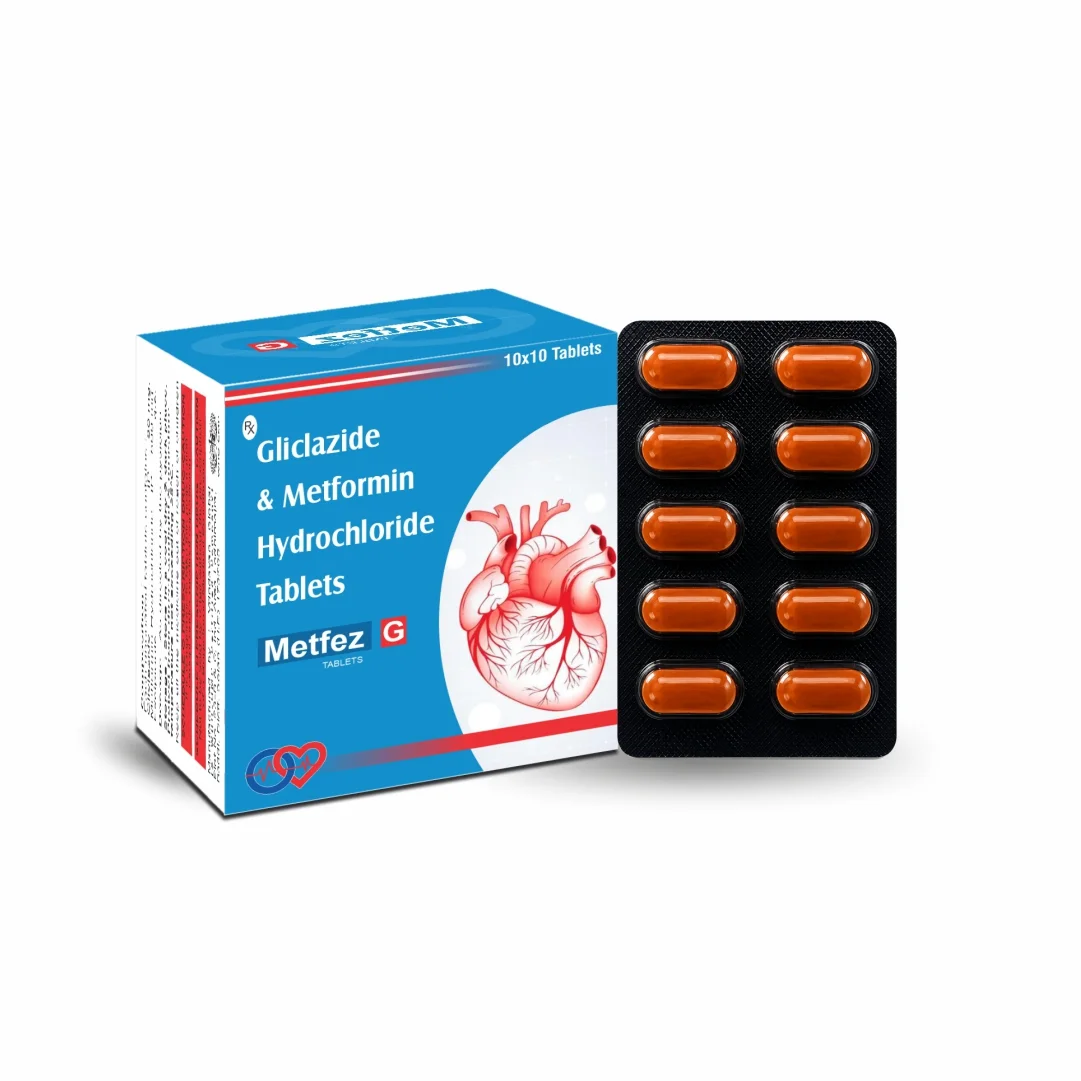
METFEZ-G contains Gliclazide 80 mg and Metformin 500 mg in tablet form. This combination brings together two oral antidiabetic medicines with complementary actions. Gliclazide belongs to the sulfonylurea class and stimulates the pancreas to release insulin, while Metformin helps reduce glucose production by the liver and improves insulin sensitivity. Together, they may help improve blood glucose control in adults with type 2 diabetes mellitus when prescribed alongside appropriate diet, exercise and medical supervision.
For related diabetic and cardiovascular formulations, explore the Medhexa Pharma product range for pharmaceutical products and business enquiries.
Therapeutic Segment
Anti-Diabetic Therapy | Type 2 Diabetes Management | Sulfonylureas | Biguanides | Blood Glucose Control
Uses of METFEZ-G
Healthcare professionals may prescribe METFEZ-G as part of an individualized treatment plan for:
- Type 2 diabetes mellitus
- Inadequate blood glucose control with diet and exercise alone
- Patients requiring combination therapy with Gliclazide and Metformin
- Patients whose blood glucose remains inadequately controlled with a single antidiabetic medicine
- Long-term glycaemic management as part of a comprehensive diabetes-care plan
METFEZ-G is intended for type 2 diabetes and does not treat type 1 diabetes or diabetic ketoacidosis.
Key Benefits of METFEZ-G
- Dual-action formulation: Combines Gliclazide and Metformin through complementary mechanisms.
- Gliclazide 80 mg: Stimulates pancreatic insulin release to help lower blood glucose.
- Metformin 500 mg: Helps reduce glucose production by the liver and improves insulin sensitivity.
- Supports blood glucose control: Addresses both insulin secretion and insulin sensitivity.
- Combination convenience: Provides two oral antidiabetic medicines in one tablet.
- Convenient oral formulation: Designed for use as part of an individualized diabetes-management plan.
How METFEZ-G Works
Gliclazide belongs to the sulfonylurea class. It acts primarily on pancreatic beta cells and stimulates insulin release. This action helps reduce blood glucose levels, although it can also increase the risk of hypoglycaemia.
Metformin belongs to the biguanide class. It primarily reduces glucose production by the liver and also improves insulin sensitivity. Consequently, the body can use glucose more effectively.
Together, these medicines target different aspects of blood glucose regulation and may provide complementary glucose-lowering effects when combination therapy is appropriate.
Common Side Effects of METFEZ-G
Some people may experience side effects during treatment. Possible effects include:
- Nausea
- Diarrhoea
- Abdominal discomfort
- Indigestion
- Loss of appetite
- Headache
- Dizziness
- Low blood sugar (hypoglycaemia)
- Weight changes
- Changes in taste
Metformin commonly causes gastrointestinal symptoms, particularly when treatment begins. Gliclazide, meanwhile, can cause hypoglycaemia, especially when meals are skipped or the prescribed dose is not followed.
Important Safety Information
Use METFEZ-G only according to the advice of a qualified healthcare professional.
Low Blood Sugar
Gliclazide can cause hypoglycaemia. The risk may increase when meals are skipped, calorie intake is reduced, physical activity increases unexpectedly or the prescribed dose is exceeded.
Possible symptoms include sweating, shakiness, hunger, dizziness, weakness, confusion, blurred vision or a rapid heartbeat. Follow the hypoglycaemia-management instructions provided by your healthcare professional.
Kidney Function and Metformin
Healthcare professionals should assess kidney function before and during Metformin treatment when clinically appropriate. Reduced kidney function can increase Metformin accumulation and the risk of lactic acidosis, a rare but serious complication.
Seek urgent medical attention if you develop unusual weakness, breathing difficulty, persistent vomiting, severe abdominal discomfort or other concerning symptoms.
Liver Function
Tell your healthcare professional if you have liver disease. Reduced liver function can affect glucose control and may increase the risk of complications associated with some antidiabetic medicines.
Alcohol
Avoid excessive alcohol consumption during treatment. Alcohol can affect blood glucose control and may increase the risk of Metformin-associated complications.
Iodinated Contrast Procedures
Inform your healthcare professional before undergoing an imaging procedure involving iodinated contrast media. Depending on kidney function and the procedure, Metformin may need temporary interruption.
Drug Interactions
Tell your doctor or pharmacist about all prescription medicines, over-the-counter medicines, vitamins and supplements you use. Certain medicines can affect blood glucose or alter the effects of Gliclazide or Metformin.
Pregnancy and Breastfeeding
Discuss pregnancy, planned pregnancy or breastfeeding with your healthcare professional before using METFEZ-G. Your doctor can determine the most appropriate treatment for blood glucose management during these periods.
For additional information, refer to the NHS guidance on Gliclazide
Dosage & Administration
Take METFEZ-G exactly as prescribed by your healthcare professional.
The appropriate regimen depends on blood glucose levels, previous diabetes treatment, kidney and liver function, diet, response to therapy and the risk of hypoglycaemia. Therefore, do not change the dose or frequency yourself.
Because Gliclazide can cause low blood sugar, follow the meal and dosing instructions provided by your healthcare professional.
Metformin-containing medicines are generally taken with meals to reduce gastrointestinal discomfort. Follow the specific instructions provided with your prescription.
Take the tablet with water according to the prescribed instructions. Do not take an additional tablet if a dose is missed unless your healthcare professional specifically advises you to do so.
Continue appropriate diet, physical activity and blood glucose monitoring as advised by your diabetes-care team.
Storage
- Store METFEZ-G in a cool, dry place.
- Protect the tablets from excessive heat and moisture.
- Keep the tablets in their original BLISTER packaging until use.
- Protect from direct sunlight.
- Keep out of the sight and reach of children.
- Do not use the product after the expiry date printed on the pack.


Reviews
There are no reviews yet.